Way North Fishing Reports
Way North Chesapeake Bay Fishing Report, October 9 Update:
Rocktober is getting into gear way north, with striped bass spreading across the Susquehanna Flats, tidal marshes, and lower Susquehanna as bait gets pushed around by cooling water and current. Largemouth bass and yellow perch are also getting into their fall patterns, while blue catfish are providing a shot at some seriously big fish around the lower river and Conowingo.
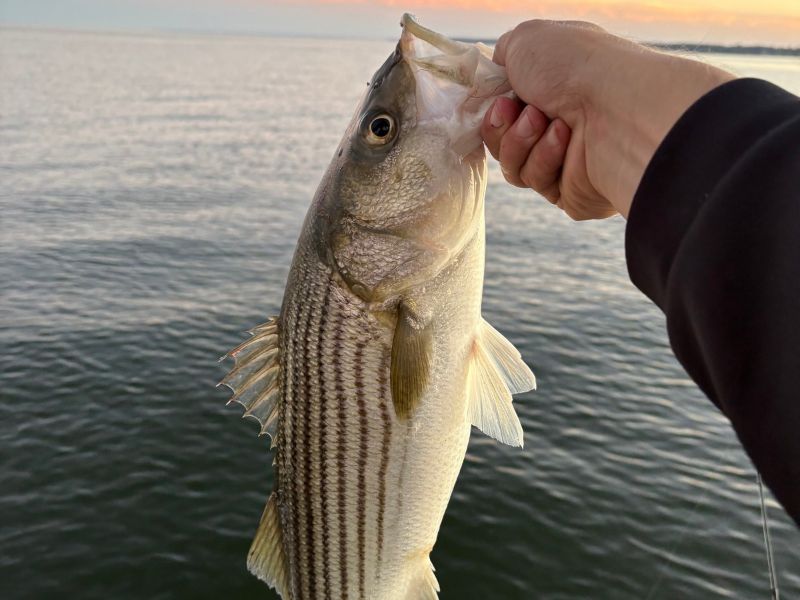
Rockfish are offering a mix of shallow water opportunities and current-driven fishing as cooling temperatures push bait out of the tributaries and into the Bay. Around the Susquehanna Flats, look for stripers on the edges of grass, creek mouths, and shallow flats, particularly during moving water or low-light periods. Topwater plugs, shallow-running jerkbaits, and light paddletails worked across the flat can be productive, while a little wind or cloud cover can make the shallow bite last longer. Along marsh edges, focus on current seams, points, and deeper pockets adjacent to shallow water, with small paddletails, jerkbaits, and surface plugs working well when bass are actively feeding on bait. The lower Susquehanna River is a good place to key on current breaks, rocky shorelines, and eddies, especially when increased flow concentrates bait; swimbaits, bucktails, and heavier paddletails can be bounced along the bottom or swung through current seams. Around the Conowingo Dam, water releases can create some of the best feeding windows, with stripers often hanging below the dam and along current edges to feed on baitfish swept in the current. When the generators are running, try casting paddletails, swimbaits, bucktails, or soft-plastic jerkbaits into the current and allowing them to sweep through seams rather than simply retrieving straight back. With water temperatures dropping, keep an eye out for more open water action as bait moves into the main stem of the Bay with schools of stripers following closely behind.
Around the Susquehanna Flats and tidal creeks, largemouth bass can be found along grass edges, creek mouths, shoreline cover, and shallow flats during warmer portions of the day. The majority of the action is still around the remaining grass on the flats, but they can be found in the tidal rivers as well. Spinnerbaits, lipless crankbaits, shallow crankbaits, and jerkbaits are all good choices for covering water, while Texas-rigged plastics and jigs can produce around thicker cover. As water temperatures continue to drop, look for bass to gradually shift toward deeper creek channels, points, and drop-offs adjacent to the flats. Yellow perch are also beginning to show signs of their fall transition, with reports of schools gathering around marinas, creek mouths, and deeper pockets throughout the Flats and tidal rivers. Small jigs tipped with minnows or small soft plastics are effective when schools are found, while live minnows fished beneath a float or on a simple bottom rig can also be effective. Once a school is located, you should be able to catch multiple fish, so stay mobile and keep moving until you find concentrations of fish rather than spending too much time in unproductive water.
Blue catfish remain a solid option throughout the Way North region as cooling water concentrates them and their forage in deeper areas. In the lower Susquehanna River, focus on deeper holes, current seams, and steep ledges. Around the Susquehanna Flats and tidal rivers, channel edges, creek mouths, and deeper troughs adjacent to shallow flats are good places to soak baits. Fresh-cut gizzard shad, white perch, and other fresh baits are hard to beat, with larger pieces producing bigger fish, while smaller chunks can keep the action steady. Fish baits on the bottom with enough weight to hold in the current, but don't be afraid to move around until you locate a concentration. Around Conowingo Dam, periods of generation can create excellent feeding opportunities as bait is swept downstream. We have seen recent reports that the big fish are biting below the dam, with anglers reeling in some fish over 40 pounds this week.
Way North Chesapeake Bay Fishing Report, October 2 Update:
The Nor’Easter dropped water temperatures dramatically in the northern reaches of the Bay, and the change is already having an effect on both bait and gamefish. Largemouth bass are beginning to adjust as the grass starts its seasonal decline, while blue cats remain a dependable option as they gradually move toward deeper water. Meanwhile, striped bass are becoming increasingly active as they follow bait into the fall transition.
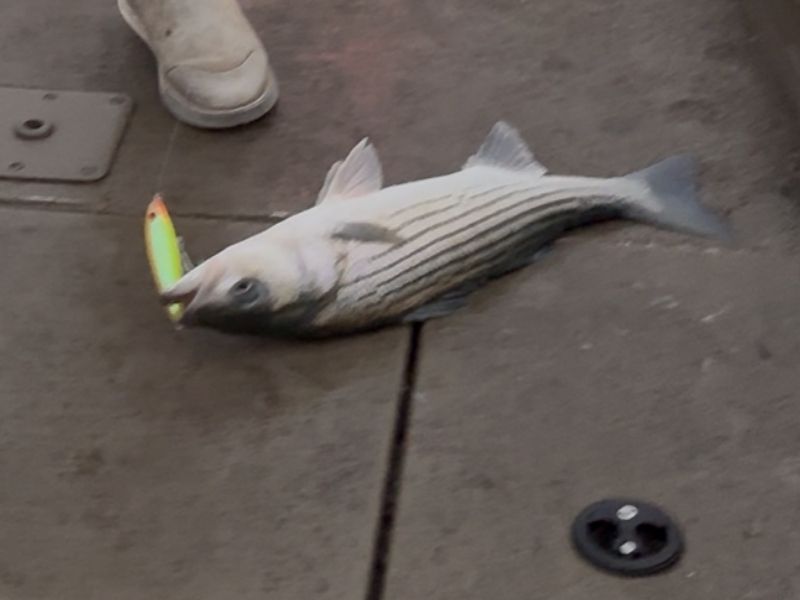
The storm really shook things up last weekend with several days of strong winds and rain. The weather had been fairly stable before that, but it looks like we are entering more of a fall pattern with cold fronts and weather systems on the horizon. Water temperatures dropped around 10 degrees over the course of the storm, which will cause the grass on the Susquehanna Flats to start dying off. Baitfish are starting to move around more with falling water temperatures, and largemouth bass will be seeking out areas to feed heavily on them over the next several weeks. The edges of remaining grass beds, creek mouths, fallen wood, and docks will all be points of interest. Find these areas in the Elk, North East, Susquehanna, and other tributaries surrounding the Susquehanna Flats, and you should be in a good place to find a largemouth.
Catfish have solidified themselves as a reliable fishery in the Way North region of the Bay. Cooling water temperatures will cause them to start schooling along slightly deeper edges in 10 to 20 feet of water. Anglers can still find them cruising around shallow flats and rocky shorelines, but the shallow water bite will begin to slow down as we progress through this month. The Conowingo Dam is a hotspot for big blue catfish, and you can also find some big flathead catfish around the discharge and rocky areas just down river. Channel catfish are more spread out and tend to hang out around the grass on the Susquehanna Flats and in the creeks of the tidal rivers surrounding the flats. The best baits for targeting catfish are fresh cut eel, bunker, and gizzard shad.
The cooler water temperatures have triggered rockfish to start moving around to feed on bait more heavily. The marsh edges along the Aberdeen Proving Grounds have been offering up some good topwater action near shoreline points and underwater structure. The edges surrounding the Susquehanna Flats have also been holding some fish. The bite should continue to get better this month as more baitfish move into open water and rockfish begin to school up and chase them. We may even start to see some bird activity and surface feeds, so keep an eye out on the water for clues that can lead you to feeding fish. Rods should be rigged with topwater lures, shallow diving jerkbaits, and soft plastics paired with appropriately sized jigheads for your conditions. Rocktober is here!