Way North Fishing Reports
Way North Chesapeake Bay Fishing Report, November 19 Update:
Striped bass fishing remains consistent around the Susquehanna Flats, with fish holding on primary ledges and responding to snap-jigged soft plastics. Sonar has been important for locating schools, while largemouth bass remain scattered as they transition toward wintering areas. Blue catfish are another excellent target, particularly around the lower Susquehanna and Conowingo Dam.
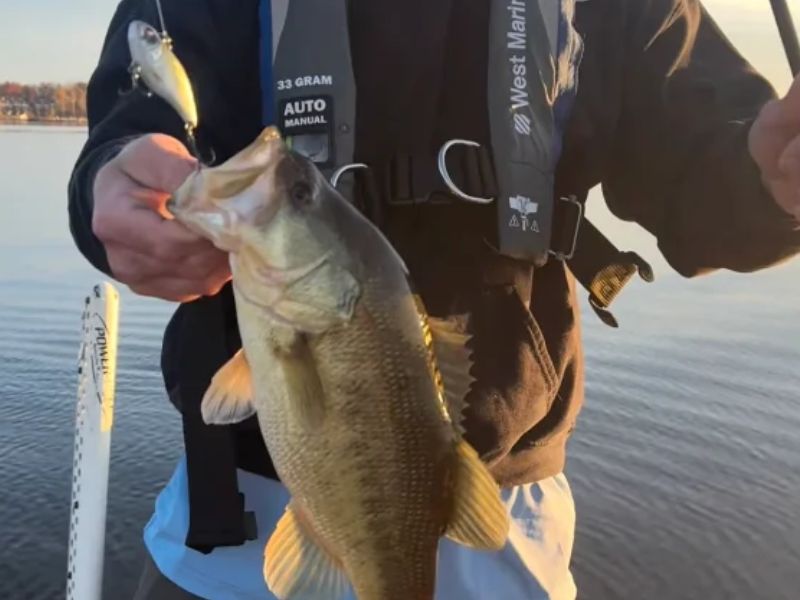
We checked in with local guide Rich Leadbetter to get the latest report on what is happening around the Susquehanna Flats. Rich reports that water temperatures in the upper Bay from Turkey Point to Sandy Point are holding around 53 to 56 degrees, while the backs of the Northeast and Swan Creeks have cooled to around 50 to 51 degrees. Striped bass fishing has been consistently productive, with fish holding in eight to 13 feet of water and responding well to snap-jigging soft plastics over marked schools. Electronics have been especially important this fall, as locating concentrated schools with forward-facing or traditional sonar has helped anglers stay on the fish and make the most of the bite. Focus on channel edges, deeper holes, and areas where baitfish are holding, paying close attention to changes in depth and marks on the screen. Once a school is located, vertical presentations with soft plastics can produce steady action.
Largemouth bass fishing remains somewhat scattered throughout the region, with fish still transitioning between their fall feeding patterns and traditional wintering areas. The temperature difference between the warmer main Bay waters and the cooler creeks and tributaries appears to be spreading fish out, making consistent patterns a little harder to establish. Some bass are still relating to shallower cover and feeding areas, while others are beginning to move toward deeper winter habitat. Anglers should continue covering a variety of depths, concentrating on creek channels, submerged grass, docks, and deeper structure as conditions change. The bass bite should become more predictable as water temperatures continue to fall and fish settle into their winter patterns, so there is plenty of good fishing still ahead.
Blue catfish will remain a reliable target for anglers in the Way North region. Fish will start concentrating in deeper holes and channel sections between the Conowingo Dam, Port Deposit, Garrett Island, and Havre de Grace. The deep channels around the railroad bridge and the channel edges bordering the Susquehanna Flats are worth exploring, along with deeper holes in nearby tributaries such as the Elk and North East rivers. As water temperatures fall, blue cats tend to stack up in wintering holes, often along the outside bends of the river and near steep channel drop-offs. Fresh cut gizzard shad, menhaden, and white perch are excellent bait choices, with larger chunks producing a shot at quality fish. A sliding sinker rig or three-way bottom rig with a circle hook is a reliable setup, and anglers should use enough weight to keep baits anchored near the bottom in the current. The Conowingo Dam pool is another productive winter destination, although strong current and snaggy rock structure mean you should come prepared with heavier tackle and gear.
Way North Chesapeake Bay Fishing Report, November 12 Update:
Striped bass fishing around the Susquehanna Flats remains a good option, with deeper edges and the mouth of the Bush River producing some promising opportunities. Largemouth bass are transitioning toward their winter patterns in the surrounding tributaries, while the lower Susquehanna is offering opportunities for anglers looking to catch heavyweight blue catfish.
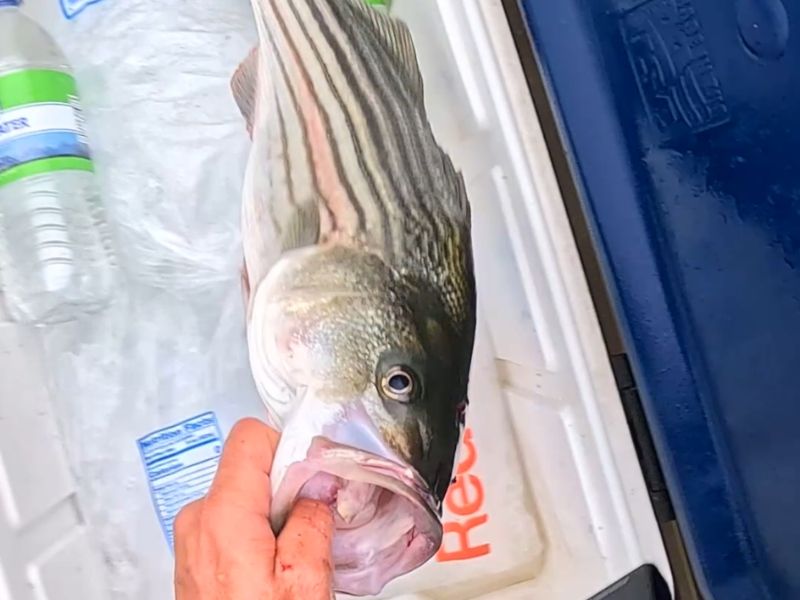
The Way North region offers a couple of different fishing opportunities as late fall settles in. Cooling water temperatures are offering some good fishing for striped bass around the deeper waters of the Susquehanna Flats. Largemouth bass are also transitioning to their colder water haunts in the surrounding tributaries around the flats. Around the edges of the Flats, look for rockfish holding along channel edges, deeper drop-offs, and the mouths of the Susquehanna and Elk rivers. A hot zone for bigger schools of stripers have been south of the flats near the mouth of the Bush River. Jigging soft plastics straight tails and paddletails around deeper structure can be productive when fish are holding close to the bottom, while casting jerkbaits and topwater lures is worth trying when fish are pushing bait toward the surface. For largemouth bass, cooling water temperatures have fish transitioning toward deeper wintering areas, although sunny afternoons can still bring them shallow to feed. The upper Elk River, Northeast River, Bohemia River, and Sassafras River all offer good areas to explore, with creek mouths, submerged grass edges, docks, laydowns, and channel bends being productive places to target. Lipless crankbaits, spinnerbaits, and chatterbaits are useful for covering water, while jigs, soft plastics, and suspending jerkbaits can help pick apart deeper structure and remaining vegetation. Focus on areas where shallow feeding flats are close to deeper water, and don't be afraid to slow down your presentation as temperatures continue to fall.
Blue catfish fishing on the lower Susquehanna River can offer some excellent opportunities for anglers looking to catch larger fish as late fall progresses. As water temperatures cool, blue cats will continue feeding heavily, with larger fish often holding along deeper channel edges, outside bends, and deep holes below the Conowingo Dam. The stretches around Port Deposit and Lapidum are worth exploring, particularly where deeper water meets current seams. Fresh-cut gizzard shad is one of the best bait choices, with larger chunks or whole baits helping target heavyweight fish. Fish these offerings on bottom rigs with enough weight to hold in the current. Changes in water releases at Conowingo can influence feeding activity, so monitoring dam generation schedules is important when planning a trip. Periods of moving water can create excellent feeding opportunities. While blue catfish normally bite with abandon, they are known to sometimes go into a funk with weather that brings significant pressure changes, but by the time this weekend arrives, they should be back to their usual form. They also noted that bass, some pickerel, and yellow perch were all hitting a bit better with minnow working well as bait. A reader fishing in the upper North East river was catching catfish just a day later. A subscriber fishing on an upper Eastern Shore tributary reported that the blue catfish were surprisingly finicky after the front pushed through last weekend. Their bites were few and far between.
Way North Chesapeake Bay Fishing Report, November 6 Update:
Blue catfish are providing plenty of action around the lower Susquehanna and Conowingo Dam pool, with deeper holes and channel edges becoming increasingly productive. Striped bass are also holding around the Susquehanna Flats and lower river, while largemouth bass are beginning their transition toward deeper wintering areas.
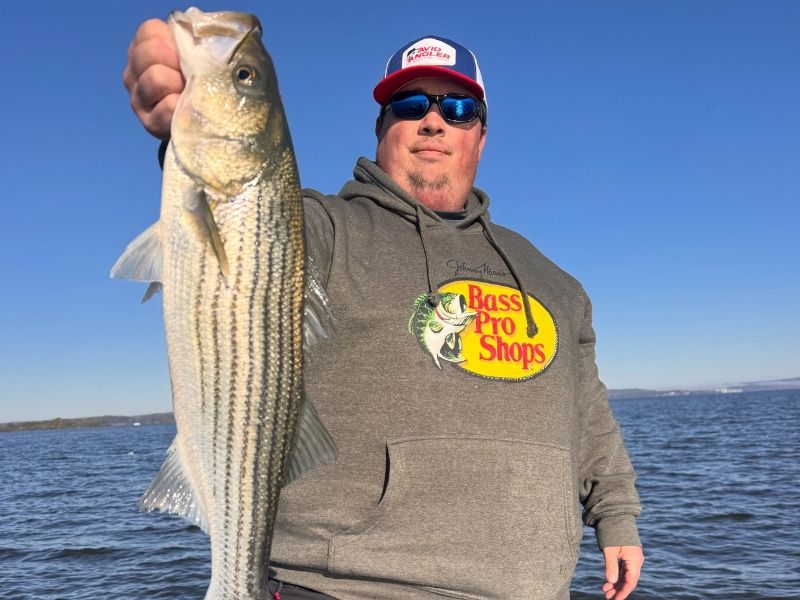
Blue catfish can provide excellent late-fall fishing opportunities throughout the Way North region, with the lower Susquehanna River, Conowingo Dam pool, and nearby tributaries offering plenty of action. As water temperatures continue to fall, blue cats are beginning to concentrate around deeper channels, holes, and channel edges as they transition toward their wintering areas. The Conowingo Dam pool and the deep water near the railroad bridge below Havre de Grace are particularly good areas to explore, while the mouths of the North East and Elk rivers are also worth a look. Fresh-cut gizzard shad, white perch, and other baitfish are tough to beat, fished on a fish-finder rig or three-way bottom rig with enough weight to hold in the current. A small cork float above the hook can help suspend the bait just off the bottom, while a rattle can add some extra attraction. Look for current breaks and deeper holes adjacent to the main channel, and don't be afraid to move around until you locate a concentration of fish.
Striped bass fishing around the Susquehanna Flats and lower Susquehanna River is transitioning into a late-fall pattern, with fish following schools of baitfish and becoming increasingly concentrated around deeper channels, current breaks, and staging areas. In the lower river, vertical jigging with half ounce to ounce-and-a-half jigheads paired with five- to seven-inch soft plastics is a reliable approach, particularly around channel edges and deeper holes where fish are holding close to the bottom. The channel running from Tydings down to Fishing Battery Island has been holding some schools of fish along with the mouth of the Susquehanna. Around the Flats, casting paddletails, jerkbaits, and suspending hard baits along drop-offs and creek mouths can produce fish when they push shallow to feed. Around the North East River, Elk River, and other upper Bay tributaries, look for fish along channel edges, points, and creek mouths. Live-lining small white perch or eels along channel edges is another dependable option when fish are marking but won't respond to artificials.
Largemouth bass fishing around the Susquehanna Flats and upper Bay tributaries will become increasingly focused on deeper water and hard cover as winter approaches. As the grass beds start to die back, bass are beginning to abandon much of the expansive shallow vegetation and concentrate around remaining healthy grass, creek channels, drop-offs, fallen timber, docks, and deeper holes. Thanks to the warm weather the transition has been a bit slower than usual so far this season. The Northeast, Elk, Bohemia, and Sassafras rivers are all worth exploring, particularly around creek mouths and channel bends where bass can find access to deeper water without moving far from feeding areas. During the early stages of the cold-water transition, spinnerbaits, swimbaits, and suspending jerkbaits are good choices for covering water, but once temperatures really drop, slow presentations become more important. Work football jigs, finesse jigs, Ned rigs, and Texas-rigged plastics slowly around isolated wood and deeper structure, paying particular attention to areas in 8 to 15 feet of water. The deeper creek channels and protected holes in the upper reaches of these tributaries will become important wintering areas, while the main channel edges surrounding the Flats can also hold fish.
Bonus intel: There's a new premium access subscribers only video to check out: Secrets of Lenny's Tacklebox.