Way North Chesapeake Bay Fishing Report, September 24 Update:
The cooling weather is bringing some major changes to the Way North fishery, with striped bass becoming increasingly active as baitfish begin to move and concentrate. Conowingo Dam is also offering opportunities for rockfish and catfish, while the tidal rivers around the Susquehanna Flats are producing bass and blue cats.
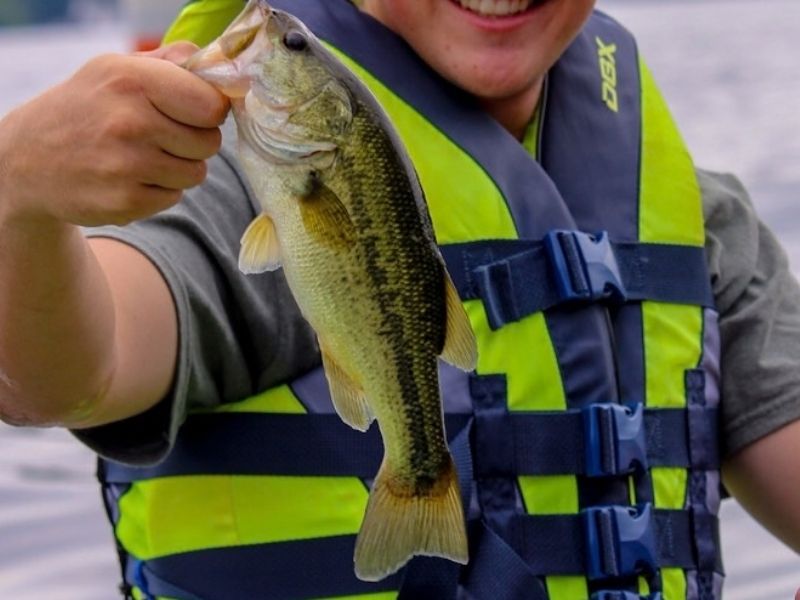
Fall can be a productive time at the Conowingo Dam, but the key is paying close attention to how much water is moving through the dam. During high-flow periods, current pushes bait downstream, concentrating catfish and rockfish around current seams, eddies, and slack-water areas below the dam. Fresh cut bait (especially gizzard shad) is a reliable choice for blue catfish and flathead catfish, while anglers targeting rockfish can work swimbaits, bucktails, and other baitfish imitations along current breaks and the edges of faster water. Lower flows generally make the river easier to fish and allow anglers to target specific seams, eddies, and deeper pools, with rockfish often relating to structure and areas where current funnels through. When the generators are running hard, concentrate on the edges of the strongest current rather than fighting the main flow; when flows drop, spread out and work the deeper holes and transition areas. Before heading out, check the Conowingo Dam conditions by calling the spill hotline at 877-457-2525. It provides information on the dam’s spill conditions and number of gates open. The generation can change quickly and dramatically alter the fishing and boating conditions.
The cooler weather should help the striped bass bite around the Susquehanna Flats and the Way North region as falling water temperatures push baitfish and young-of-the-year forage toward deeper water and downstream areas. Look for rockfish around creek mouths, channel edges, current breaks, and areas where bait is concentrated. Jigging soft plastics, casting swimbaits, and working jerkbaits are all good options right now. Anglers should keep an eye on water temperature, clarity, and bait activity rather than simply fishing the same areas throughout the fall. The tidal rivers and creeks surrounding the Susquehanna Flats offer a mix of opportunities this time of year, with blue catfish and largemouth bass among the primary targets. Catfish can be found along deeper channel edges, outside bends, creek mouths, and areas with slower current, with cut gizzard shad, white perch, and other fresh bait producing steady action. Largemouth bass are transitioning with the cooling water, often relating to remaining grass, wood, creek mouths, and shallow-to-deep transitions. Spinnerbaits, chatterbaits, crankbaits, and soft plastics can all produce, particularly in areas with schools of bait moving along shorelines. Largemouth bass on the Susquehanna Flats are taking advantage of cooling water and concentrated baitfish, making this a good time to cover water and look for active fish. As water temperatures continue to fall, pay close attention to areas where bait is stacked up. Finding the bait in the fall is usually the key to finding the fish.
Way North Chesapeake Bay Fishing Report, September 18 Update:
There is plenty to keep anglers busy in the far northern reaches of the Bay, with blue catfish providing reliable action while bass and striped bass begin responding to the first hints of fall. The grass is still hanging on across the flats, but that won't last forever, and the changes coming to those shallow areas should open up some interesting opportunities. Meanwhile, the first signs of the fall rockfish transition are beginning to appear.
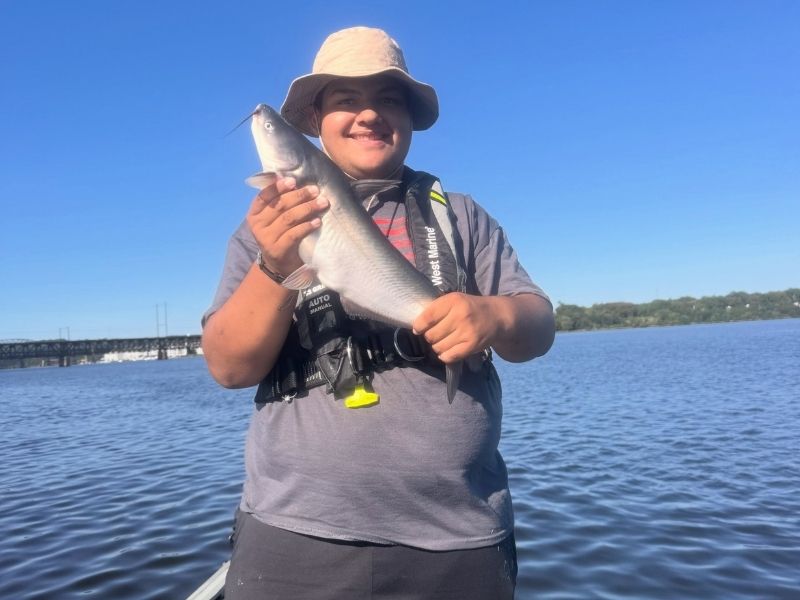
Blue catfish continue to provide some of the most dependable action in the far northern reaches of the Chesapeake, particularly around the Susquehanna River and lower river channel. Anglers can find fish around deeper holes, channel edges, current seams, and areas where bait is concentrated, with cut bait producing consistently. Larger cats are best targeted with big chunks of fresh cut bait fished on the bottom, while smaller fish can be caught on lighter tackle. Rich Leadbeater of Rhythm Of The Tides guide service reports that the catfishing is going strong right now. While running a trip with clients this week, catfish were eager to bite at the mouth of the Susquehanna River. As fall progresses and water temperatures drop, expect the blue catfish to become increasingly focused on deeper wintering areas and current breaks.
The grass on the lower Susquehanna River and Susquehanna Flats is still in mid-summer form, but we will start to see it regress as temperatures cool off. Largemouth bass fishing is entering a transition period as late-summer vegetation begins to change, and the flats gradually lose some of their thickest cover. Early in the transition, bass will continue to use grass edges, pad fields, and shallow cover, particularly during low-light periods, but falling water temperatures will eventually push both bass and their forage toward creek mouths, deeper grass edges, channels, and remaining healthy vegetation. Topwater lures, frogs, spinnerbaits, and weedless plastics can still produce during warm afternoons, while crankbaits, jigs, and swimbaits become increasingly useful as fish begin moving away from shallow cover.
Striped bass patterns in the far northern Bay should begin changing as fall develops and cooling water begins concentrating baitfish. Anglers are reporting some welcome striped bass action in the dam pool and along the edges of the Susquehanna Flats during the early morning and evening hours. Fish can be expected around current seams, creek mouths, channel edges, bridge structure, and shallow flats where bait is pushed by the tide. Early and late in the day, topwater plugs, jerkbaits, and paddletails are good choices for fish pushing bait shallow, while jigging soft plastics or working deeper presentations can pay off once the fish move deeper. Keep an eye out for birds, surface activity, and tightly packed bait schools, but don't overlook structure when the surface feeds aren't happening. As temperatures continue to fall, expect more consistent feeding windows and increasing movement of striped bass toward the major fall staging and migration areas.
Way North Chesapeake Bay Fishing Report, September 10 Update:
With rockfish back open many anglers are chasing them, but reports of success in the area are thin and there are still more bass and snakeheads than rock. White perch anglers are catching some fish, but the best current bite is, hands-down, the blue catfish action.

Big blue catfish are feeding strong in the Bay’s northern waters, and this week we heard from subscribers who enjoyed success on fish up into the 20- to 30-pound range fishing near Port Deposit and Garrett Island. One mentioned drifting suspended baits did the trick and another found cut white perch effective. An angler fishing the Sassafras near Turner Creek said he was surprised to catch mostly channel cats with just a few blues in the mix over the holiday weekend. He also mentioned that on several recent trips it’s seemed the channel catfish out-numbered blues by a surprising margin.
At the dam pool anglers are reporting mostly catfish (both blues and flatheads) with a rockfish showing up here and there. Those throwing fresh cut fish far out into the pool with long surf rods are doing best. As usual, the bite can be expected to be best when the discharge water’s flowing strong; water levels have been dropping off since late last week but remain above average for this time of year with a gage height of 10.6.
White perch have been biting in the area creeks and rivers. One angler fishing along piers in the upper Bush River with spinners and twister tails said the action wasn’t red hot, but he enjoyed a steady bite, the perch he caught were nice, and included several over 11”. He also encountered a few crappie and small bass to keep things interesting.

This week we didn’t have any confirmed reports from the Flats, but as long as evening temperatures continue to drop the rockfish action is sure to crank up. Meanwhile, snakehead can be found around grass mats and weedy edges and at dawn and dusk largemouth bass will be in the mix. Expect frogs, mice, and similar topwater lures to work best at periods of low light and once the sun is up, shift to subsurface baits like chatterbaits and spinnerbaits. Midday expect the bass to shift deeper to channel edges and drop-offs.
Way North Chesapeake Bay Fishing Report, September 4 Update:
Striped bass season has reopened throughout Maryland, and cooling water should gradually increase activity in the lower Susquehanna, Flats, and surrounding tributaries. Topwaters and small plastics should shine around shallow structure during low-light periods. Catfish are another strong option, with blue and flathead cats available around the Conowingo Dam and Susquehanna, while white perch and channel cats provide additional opportunities throughout the tidal rivers.
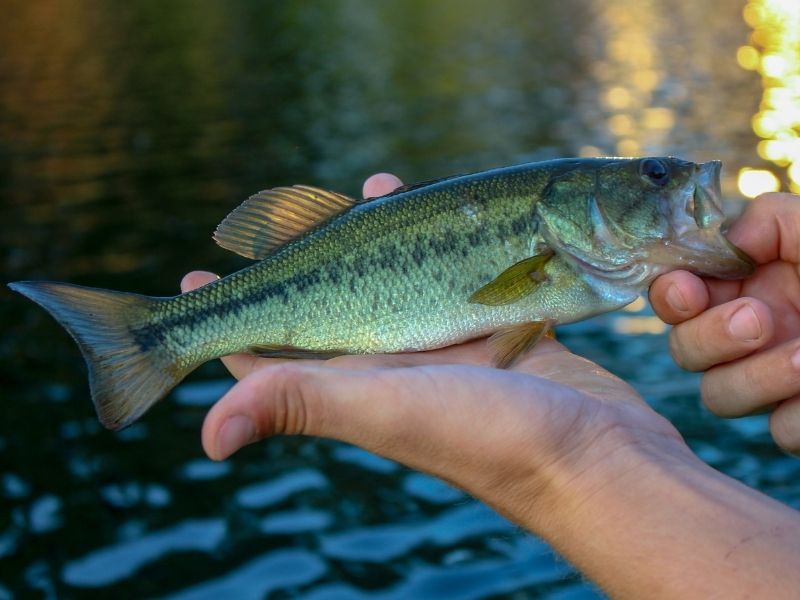
Striped bass season is now open for all Maryland waters of the Chesapeake Bay. These fish should become increasingly active throughout September as cooling water temperatures trigger more movement and feeding in the lower Susquehanna, Susquehanna Flats, and surrounding tidal rivers. Early in the month, focus on current seams, creek mouths, rocky shorelines, and deeper channels, particularly around areas where baitfish are being pushed by the tide. Topwater plugs, small swimbaits, paddletails, and jerkbaits are good choices for covering the shallow flats during low-light periods and moving tides, while jigging soft plastics along channel edges can produce when fish hold deeper. As the water cools later in the month, expect more striped bass to push farther into the shallows to feed, with dawn and dusk becoming increasingly productive for casting lures around grass edges, points, and rocky structure. Baitfish movement will be a major key, so birds, surface activity, and concentrations of young-of-year bait are good indicators that stripers are nearby. After a cold front or significant temperature drop, don't overlook the mouths of the tributaries and deeper water adjacent to shallow feeding areas, as these can become staging areas for fish transitioning with the changing conditions.
Catfish remain a strong option in the upper Bay region, with blue and flathead catfish active in the Conowingo Dam pool and lower Susquehanna River. There was a report from a kayak angler who caught a big flathead measuring over 30 inches in the rocky section of river south of the Conowingo Dam this week. Blue cats are also spread throughout the upper Bay's tidal rivers, with the lower Susquehanna, North East, and Elk offering some of the better concentrations. Water temperatures are still warm, so blue cats tend to push into the deeper channels of tidal rivers where conditions are cooler and more comfortable. Around Conowingo, the cool water released from the dam can concentrate blue cats, particularly when power-generating turbines are running and discharging baitfish and other food into the river. Anglers should focus on deeper holes, current seams, and areas below the dam, using fresh cut bait such as gizzard shad or white perch on bottom rigs. Flatheads favor similar current breaks but are more structure-oriented, making live bait fished around rocky cover, submerged trees, and deep pools a good tactic. Channel catfish will be mixed in throughout the same waters, though are more abundant around the grass flats of the Susquehanna Flats and in the tidal creeks of the tributaries surrounding the flats.
Largemouth bass on the Susquehanna Flats should begin responding to the first signs of fall as cooler nights gradually bring down water temperatures. Early in the month, continue looking for fish around shallow grass, weed edges, current seams, and rocky cover, particularly where baitfish are concentrated. Topwaters and weightless soft plastics can be productive during low-light periods, while spinnerbaits, swim jigs, and Texas-rigged plastics are good choices for covering water and working through scattered vegetation. As the water cools later in September, expect bass to feed more aggressively and begin shifting toward creek mouths, deeper grass edges, channel drop-offs, and areas where current funnels bait, creating opportunities to intercept fish moving between shallow feeding areas and deeper water. On cloudy or breezy days, covering water with moving baits can be particularly effective, while bright, calm conditions call for slowing down and picking apart isolated grass and structure.