Freshwater Fishing Reports
Freshwater Fishing Report, October 22 Update:
Cooling water is slowing the snakehead bite, but crappie are schooling and catfish are moving into deeper holes for the fall and winter. Trout opportunities are also improving with higher stream flows and stocking operations underway. Larger lakes are providing diverse angling opportunities as fish move to deeper water around the edges of grass and other structures with the cooling weather.
Despite the cooling temperatures, snakehead fishing is still an option, but getting the fish to bite is getting tougher and topwater may be done for the year. A reader who hit the Marshyhope in Federalsburg picked up a nice five-pounder this week while casting from shore. But we also heard from a pair of anglers who fished the Chick and, despite bright sun and a warm afternoon, they only saw one, and had zero bites on frogs. On the bright side, very large white perch were willing to bite on a chartreuse quarter-ounce bucktail when they moved to the channel edge in four feet of water.
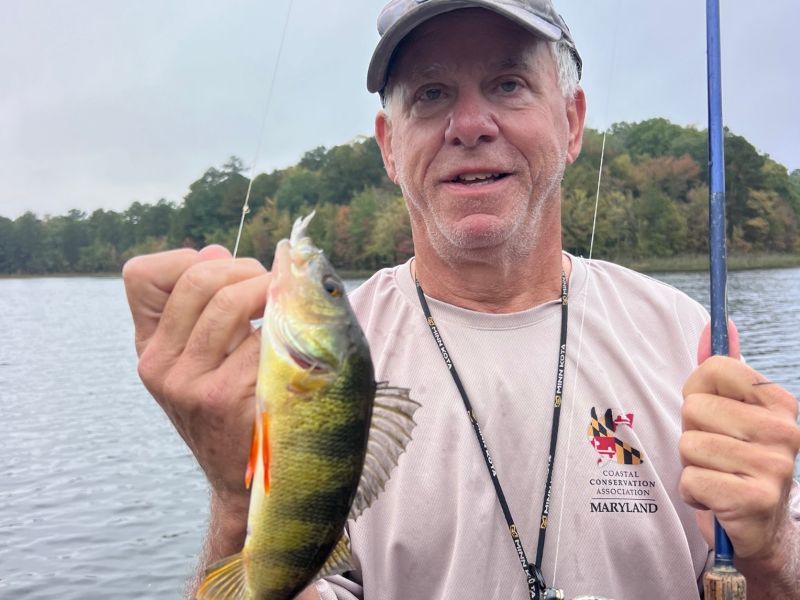
FishTalk contributor Eric Packard checked in after a trip down to St. Mary’s Lake with his friend Dennis. When they got out on the water, they realized that the battery for the electronics was dead, so they had to fish old school. They went up the lake to a flat that had been a productive spot to cast out golden shiners under slip bobbers. They got bites at a few different spots, but the bite was on the slower side. They caught four yellow perch up to 12”, four pickerel, 11 largemouth bass up to 16”, and zero crappie. Packard talked to another angler at the ramp who caught around 20 crappie, but they were using forward facing sonar which makes things a whole lot easier. Crappie are schooling up as water temperatures are steadily dropping, so it can be hero or zero when targeting them. Once located, they can offer steady action. Live minnows work especially well for them, but small panfish jigs are also very effective.
Catfish in our larger river systems are starting to move into the deeper holes and channels where they will spend the rest of the fall and winter. The catfish migration has started on the Virginia tidal rivers including the James, York, and Rappahannock, as well as the Potomac in Maryland and D.C. Anglers fishing in the district have been catching some giant blue catfish near Three Sisters Island. Fresh cut bait such as gizzard shad and eel are working best. Captain Seth from Fish The Potomac reported having a great trip for flathead catfish in the vicinity of Fletcher’s Cove this week. The flatheads and blues are likely feeding hard to get ready for the colder months ahead.
Mossy Creek Fly Fishing reported that rain from last week helped get their surrounding river and streams up to average flow for this time of year. They recommend that anglers looking to target brook trout should head up to the mountain streams before the spawn and take advantage of the higher flows before they recede. Their other advice was to load up on your favorite attractors with plenty of indicators and split shot on the rivers. The spring creeks are in good shape with tricos still hatching in the early morning hours. Hoppers and terrestrial insects will start to dwindle with the cold nights, but the dry fly fishing will be good on stable sunny days. Also, be sure to have plenty of nymphs and small jig streamers to bounce along the bottom. Trout stocking operations are also underway in both Virginia and Maryland, so there are ample opportunities across the region. For the latest stocking information, make sure to visit the Virginia DWR trout stocking website and the Maryland DNR trout stocking website.
Freshwater Fishing Report, October 16 Update:
Freshwater fishing is transitioning into fall, with recent heavy rainfall pushing rivers higher and adding color while also changing how anglers should approach the bite. Trout anglers can take advantage of the elevated flows with streamers and big nymphs, while bass and musky anglers may need to wait for warmwater rivers to clear of runoff and debris. Cooling temperatures are also changing the patterns for snakeheads and largemouth bass, with snakeheads moving toward slower, deeper presentations and bass becoming increasingly focused on remaining vegetation, wood, docks, creek mouths, and deeper structure.
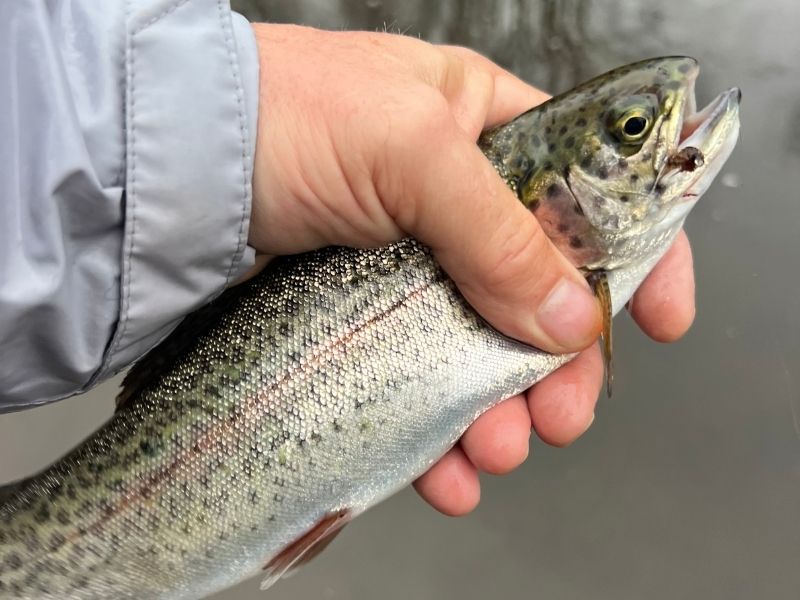
Mossy Creek Fly Fishing reports that the recent rainfall has significantly changed conditions, with more than four inches falling over the weekend and pushing river levels up while adding plenty of color to the water. For trout anglers, those elevated flows and stained conditions could set up some excellent streamer and big-nymph fishing, particularly with cloudy skies and another chance of rain arriving Thursday. Larger streamers and nymphs should be good choices while the water remains off-color, with trout likely willing to move farther to feed in the higher flows. They also mentioned that bass and musky anglers may want to give the warmwater rivers a few days to settle, as the runoff is likely to carry grass, leaves, and other debris downstream and make casting difficult. As the next front passes later in the week, temperatures are expected to drop sharply, potentially bringing the first freezing night of the season and beginning the transition toward a more winter-like pattern.
Fall trout stocking is underway across Maryland, with the latest DNR updates showing activity in Allegany, Baltimore, Cecil, Carroll, Frederick, Garrett, Harford, Montgomery, and Washington counties. DNR says new locations are being added throughout the fall stocking period, and the stocking table is updated on the afternoon of each stocking day. For the most current information, anglers should check the Maryland DNR trout stocking page before heading out. Virginia DWR had an especially busy week of trout stocking, with activity reported in Albemarle, Amherst, Augusta, Bath, Bland, Carroll, Dickenson, Floyd, Franklin, Giles, Grayson, Highland, Lee, Nelson, Pulaski, Smyth, Tazewell, Washington, Wise, and Wythe counties. Stocking included a mix of rainbow, brown, brook, and tiger trout in streams, rivers, lakes, and ponds across the Commonwealth. Anglers should check the Virginia DWR daily trout stocking schedule for the latest stocking updates and locations.
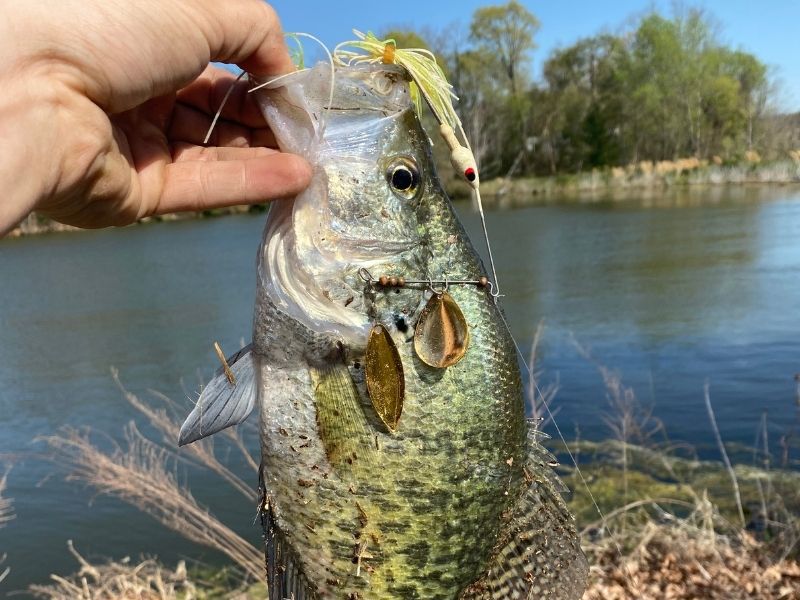
Fall is an excellent time to target crappie, as cooling water temperatures push them into tighter schools around deeper structure in larger lakes and reservoirs. Look for brush piles, submerged timber, bridge pilings, marina docks, and creek channels, with fish often suspended rather than sitting directly on the bottom. In tidal systems like the Potomac and Pocomoke, crappie can be found around similar structure, particularly in deeper creeks, backwaters, docks, and areas with reduced current. Slow-trolling live minnows or small jigs around these areas is a good way to locate schools, and once fish are found, a slip-bobber rig allows anglers to repeatedly work the productive depth. Small 1/32- to 1/16-ounce marabou jigs, tube jigs, and 1.5- to 2-inch soft plastics in white, chartreuse, pink, or shad patterns are all good choices, while live minnows remain tough to beat when the bite gets finicky.
This week likely produced the last stretch of warm weather that will have snakeheads active in the shallows willing to hit topwater. The incoming cold front will slow the bite down for them, but anglers can still have good success using slower presentations and fishing slightly deeper waters. The Eastern Shore rivers and marshes will likely keep slightly warmer water temperatures compared to the western shore of Maryland, so making the trip there can be worth it. Chatterbaits, spinnerbaits, and live minnows work exceptionally well during the cooler months. Waters around Dorchester County including the Transquaking, Chicamacomico, Blackwater River, and Little Blackwater River, can produce in the late fall. Largemouth bass are settling into their fall pattern as cooling water temperatures have them feeding more actively throughout the day in preparation for winter. In larger lakes and reservoirs, look for bass around the edges of remaining grass, submerged wood, docks, and the transition areas where shallow cover meets deeper water, as baitfish and crayfish begin moving away from declining vegetation. Spinnerbaits, paddletails, wacky-rigged plastics, small crankbaits, and chatterbaits are all good choices, while a soft-plastic frog can still produce around the thicker grass. In tidal waters, the same fall transition is taking place, with bass using creek mouths, marsh edges, docks, and deeper structure as water temperatures continue to fall. Covering water is important this time of year, but once you find bait, grass, or other structure holding fish, slow down and work the area thoroughly.
Freshwater Fishing Report, October 9 Update:
Cooler temperatures are really starting to change the freshwater scene, with crappie schooling up and largemouth bass settling into their fall feeding patterns. Bass are following bait toward grass, wood, and shallow cover, while trout anglers have the added opportunity of fall stockings beginning across Maryland and Virginia. Mountain streams remain a little low in places, but there's plenty of freshwater action to keep anglers busy as we head deeper into fall.
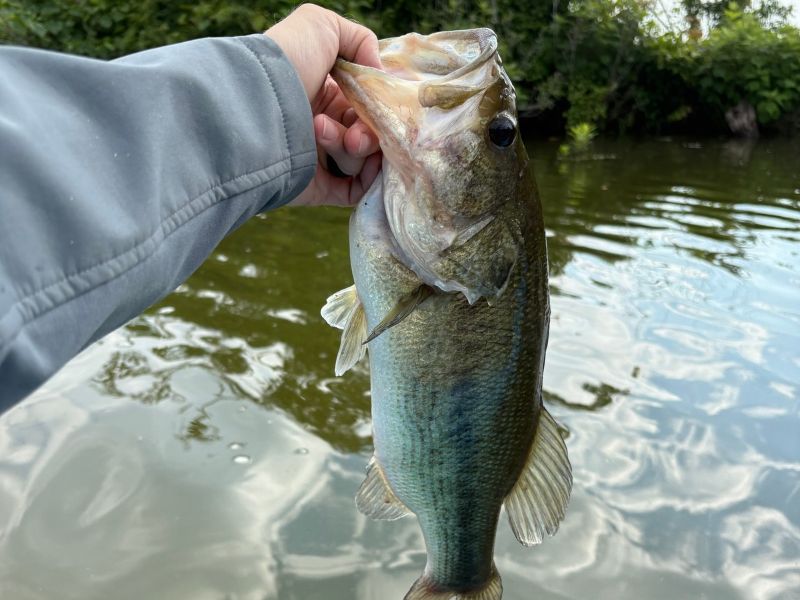
According to The Tackle Box, between the rain and the cooling temps crappie have begun schooling up for fall. They say both lures and live minnow will get them biting. Red/white and blue/white two-inch tubes on 1/16th to 1/8th ounce jigheads can be deadly at this time of year, especially when the schools stage from five to 12’ deep around standing timber, spillways, bridge pilings, and similar structure. St. Mary’s Lake is an excellent location to crappie fish in the colder months. There are large areas of stump fields that tend to hold fish in the winter, but right now the schools of crappie should be hanging on the edges of grass beds and drop-offs in depths of eight to 15 feet of water. The Pocomoke River near Snow Hill is another crappie hotspot that should start getting some attention as the weather cools off.
Largemouth bass across the region are settling into their classic fall pattern as cooling water temperatures push them to the edges of remaining grass beds and along shorelines with fallen wood. Bass are feeding heavily on baitfish right now with shallow flats, submerged vegetation, shoreline cover, and the edges of deeper channels all worth targeting. On warmer, sunny afternoons, fish may move into surprisingly shallow water to take advantage of warming waters. As the month progresses and water temperatures continue to fall, look for bass to begin transitioning toward deeper structure and creek-channel edges, particularly in the mornings. Lipless crankbaits, spinnerbaits, jerkbaits, shallow-running crankbaits, and soft plastics are all productive options for covering water and imitating the variety of forage bass are keying on.
Mossy Creek Fly Fishing reports that right now, anglers can find some moving water up in the mountains on the east side of the Blue Ridge Mountains. The central part of the valley received rain last week, but most of the mountain streams are still running low. If we don't get some considerable rainfall before the brook trout spawn, anglers will need to rely on spring creeks, DWR stocked streams, and tailwaters. The good news is that there is some significant rain in the forecast for this weekend. The Mossy Creek crew recommends loading up on worms, eggs, mops, and attractors for the stocked fish. The spring creek fish are still taking tricos in the mornings: hoppers, ants, beetles, and crickets. Smallmouth bass anglers should expect the cooler nights to slow the bite a bit, and low flows may make navigating certain sections of the river difficult. Smallies will start migrating to their wintering holes as temperatures get colder and daylight hours get shorter this month. Fishing opportunities on the rivers and creeks should be good until they get choked with leaves.
Fall trout stockings have begun in both Maryland and Virginia, so there will be some new opportunities popping up while stocking crews put fish in water bodies across the region. As of Thursday in Maryland, Allegany, Baltimore, Frederick, Garrett, and Howard counties received stockings. In Virginia, dozens of counties were stocked with a mix of rainbow, brook, brown, and tiger trout. For the most up to date stocking information, anglers can visit the Maryland DNR trout stocking website and the Virginia DWR trout stocking website. Regulations can vary across regions and in specific stocked locations, so make sure to look into whether the area you are fishing is put and take, delayed harvest, or catch and release only. All this information can be found on the linked webpages provided above.
Freshwater Fishing Report, October 2 Update:
The big weather change has finally pushed freshwater fishing into a more recognizable fall pattern. Snakehead activity is beginning to wind down, bass are shifting with cooling water and declining vegetation, and trout anglers are looking ahead to improving conditions and the start of fall stocking. There is still plenty of action available but expect the fish to become increasingly focused on deeper water and remaining structure as October progresses.
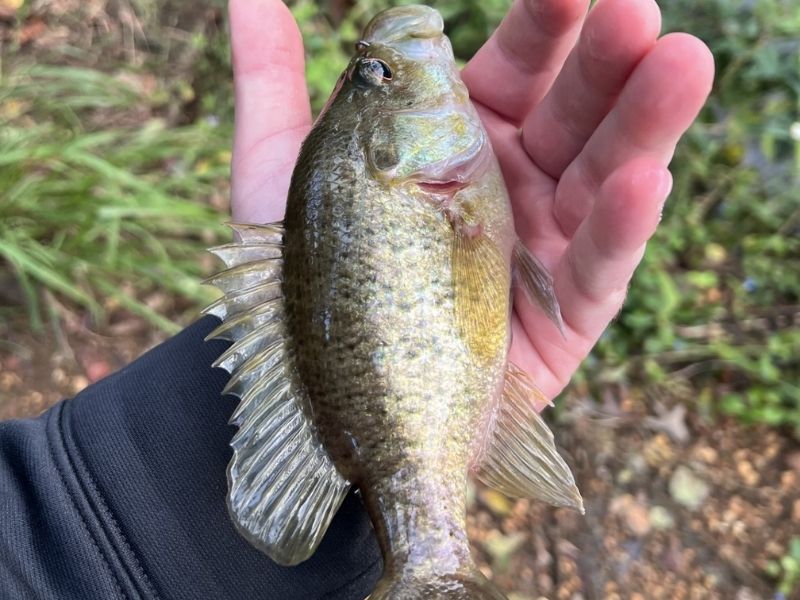
Snakehead fishing may be slowing down significantly after this weekend, but the warmer temperatures later this week provided a good bite in many of the tidal tributaries. A reader checked in after fishing a trib on the Potomac and said that warm temperatures triggered the bite on in the afternoons after the Nor’Easter. While fishing topwater frogs over hydrilla and other SAV, they caught six snakehead, four largemouth bass, and missed several other bites. As temperatures continue to cool off, vegetation will begin to die off, and fish will start to relate more to fallen wood and deeper channels. Warm sunny afternoons can provide good bites during the fall, but overall, snakehead activity will start to slow down. Fishing with live minnows under a bobber can be a very effective way to catch them when water temperatures are dropping. The more subtle presentation of a live minnow is hard to resist for a hungry snakehead.
Contributor Adam Greenberg checked in and said that he has been hitting some local suburban ponds with urchin baits with great success on largemouth bass. The hot colors have been green pumpkin and black/blue. Adam also said he prefers the smaller urchin baits because they are easier to pitch into tight spots where fish are waiting to ambush prey. Contributor Eric Packard also checked in after spending a day fishing St. Mary’s Lake. In just under three hours of fishing, Packard caught seven largemouth bass, six crappie, two pickerel, and one snakehead. Water temperatures had dropped after the storm and were hovering around 65 degrees. Most of the fish he caught were in eight feet of water or deeper. The productive baits were a Yum worm, Yen urchin bait, 1/8th ounce ACC Crappie Stix Jig Head, and American Snakehead Custom froglet. As water temperatures drop, fish will slowly transition away from shorelines and hang on the edges of grass beds. The pattern that Eric found will likely be the pattern in many of the region’s lakes and reservoirs this month as vegetation starts to die off and water temperatures drop.
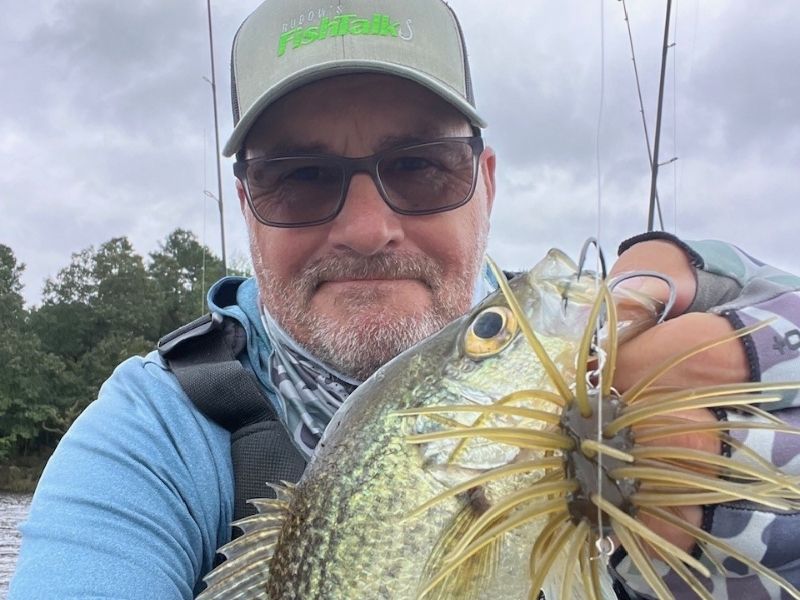
We checked in with Mossy Creek Fly Fishing for the latest report from the western trout zones. They report that more rain is still needed, but that the dry river and Skidmore have some good fishable runs right now. The east side of the Blue Ridge should have better conditions compared to the western slope. They expect the brook trout spawn to start within the next few weeks, so any anglers looking to target them should get out soon. That way we can let them do their thing once it gets going. The spring creeks are showing trico hatches in the early mornings with a spinner fall later in the morning. Hoppers, crickets, beetles and ants are all still on the menu. They also mentioned that Virginia DWR will start their stocking soon, so anglers should keep an eye out for stocking info over the next few weeks. Maryland DNR will also be getting ready for the fall trout stockings, so be ready for some more opportunities headed our way this month.


